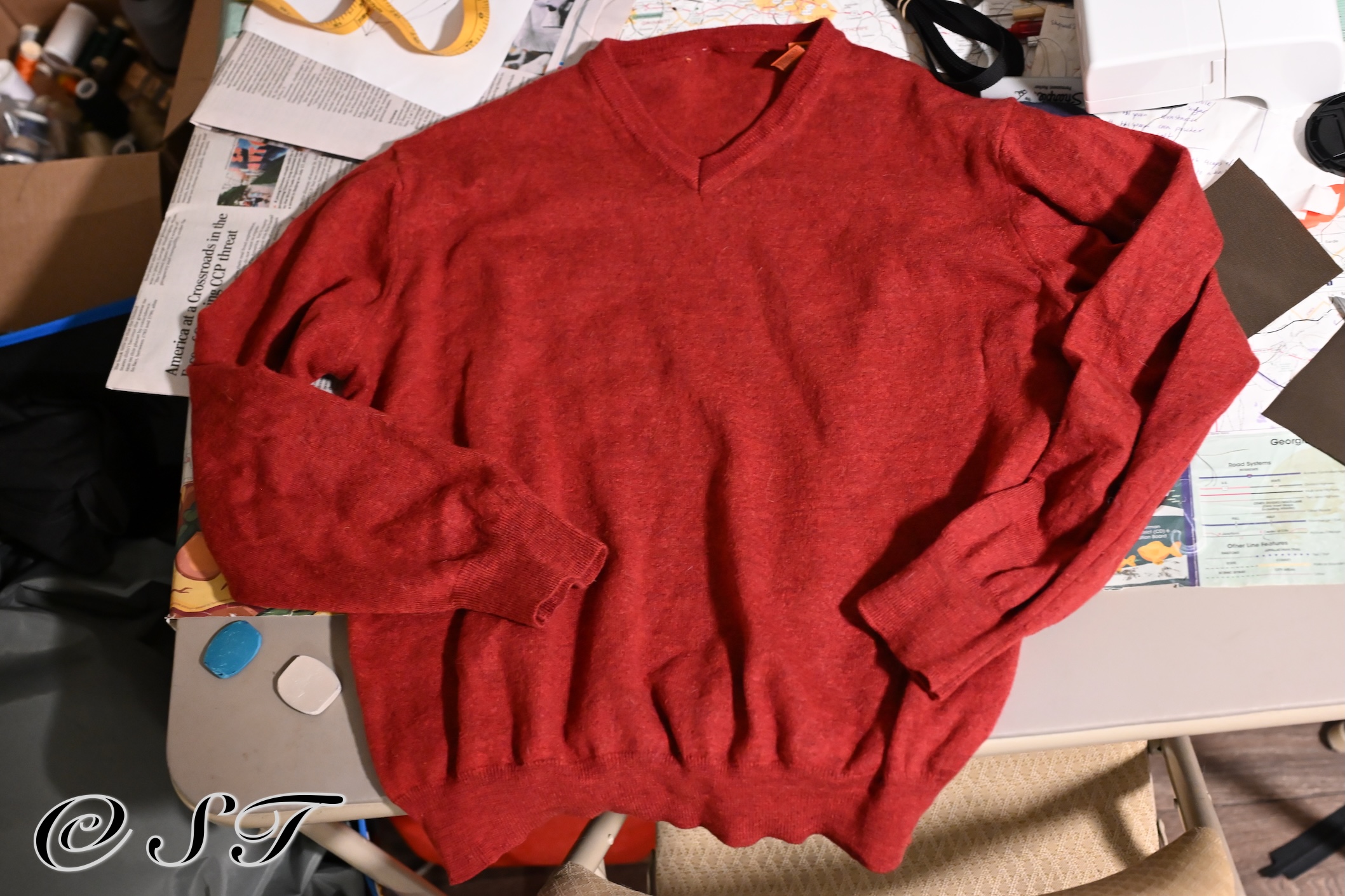
Warm Layer
There are so many different options. I have sewn many different projects and here is a quick comparison between different options. This is my personal experience, not a scientific study!
In general there are two options:
1- Synthetic: fleece and synthetic down (such as Primaloft or Climashield)
2- Natural: wool and down
Note: Many modern clothes have a blend different materials, we can call them hybrid.
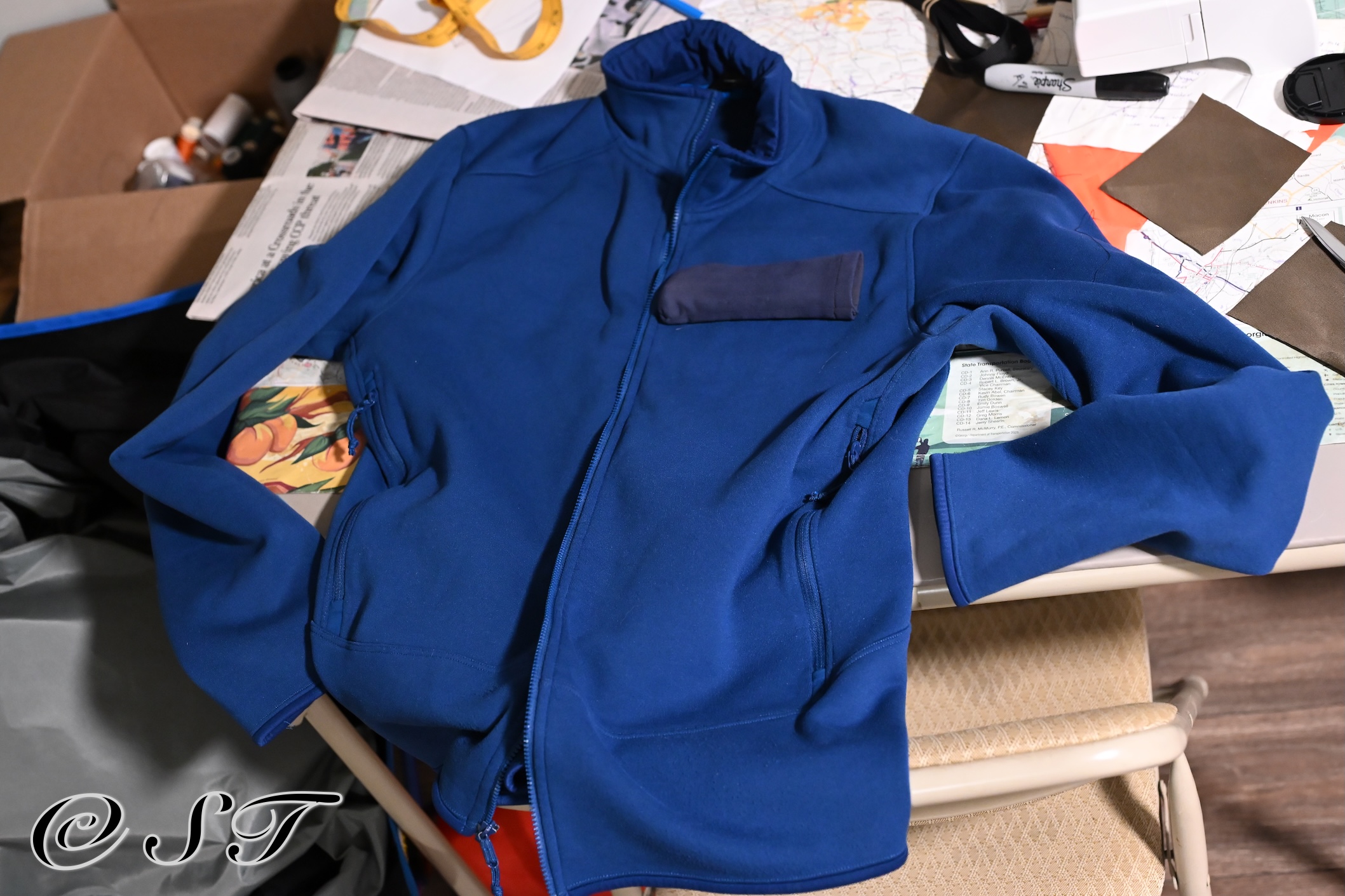
Fleece: it is made of polyester. It is light, durable, dries relatively quick and it is cheap. It breathes remarkably well (unless a layer of a wind resistance material is added). It retains the heat if it gets a little wet.
Fleece comes in three different weights: 100, 200 and 300. 100 is sufficient for many activities. 200 is warm but it is noticeably heavier. 300 is the warmest weight but I personally find it very heavy for a three season activities. If it is that cold I will use Primaloft insulation instead. One disadvantage is the odor. I find polyester clothes smell bad in very short amount of time. So they will require more regular wash.
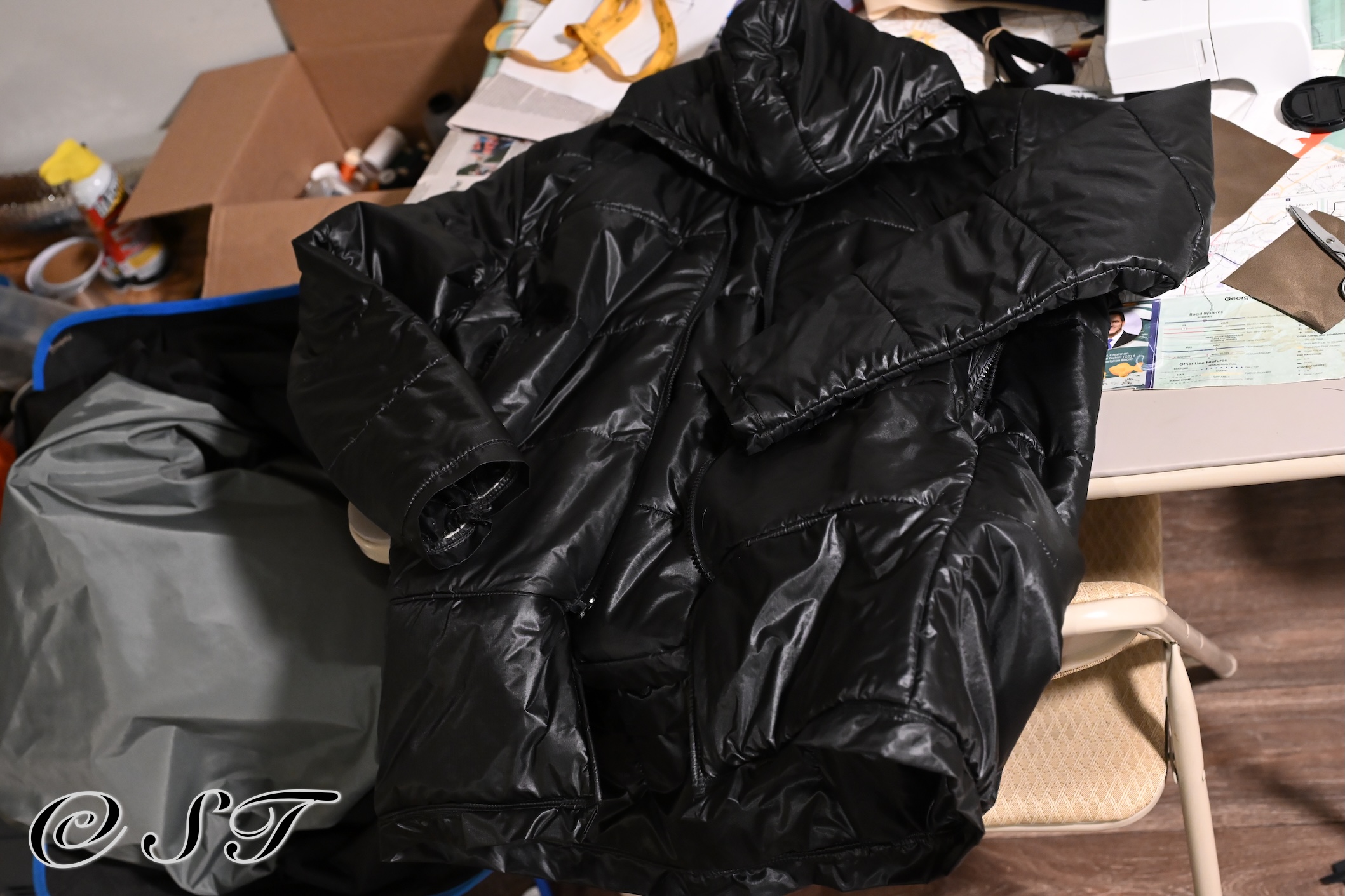
Primaloft: Is very light weight. Insulates remarkably well. It retains the heat even when it gets wet. The main disadvantage is the cost and care. Sewing Primaloft requires more work. I sandwich it between two layers of 1.1 uncoated Silnylon. Washing is not as easy as fleece, so in general I don’t wear them while hiking, and put them on when I am stationary or I am sleeping. They compliment my sleeping system in extremely cold weather.
Note 1: Climashield vs Primaloft: I haven’t used Climashield, so I have no experience with it. It appears it is bulkier and it does not compress as small is Primaloft.
Note 2: I have sewn a one layer and another two layer synthetic sleeping quilts as well. For most cases the two layer is my go to sleeping quilt/bag of choice.
Wool: Is known for natural odor resistance. It can soak up to one third of its weight and still be warm. Unlike polyester, it has curled, more complex fiber, so when it is wet, water is trapped inside those curls and not in contact with your skin. I can feel the warmth even when it is wet! I really love it as base layer for longer trips. Disadvantages of wool include: heavy weight, more expensive and more fragile fabric. It develops holes much faster than other fabrics. I personally buy the fabric and sew myself. Base layers are very easy to sew and you can save a lot by sewing them at home. Moreover no one will see any imperfection in your sewing on a base layer!
When buying wool, pay attention to the GSM (grams per square meter) number. Most base layers are around 180 GSM. This is warm enough without being very heavy. I think this number is not very durable. 230 GSM is much warmer and more durable, but a little heavier than I am comfortable with. I think around 200 GSM is the sweet spot.
This is simple example I did at home with light source behind different wool fabrics to demonstrate the difference between different GSMs. Please note that there are fabric to fabric variations. I have a 180 GSM wool that looks thicker than this 200 GSM. The GSM number depends thickness and weave separation, you can increase the thickness and decrease the weave separation and keep the same GSM.
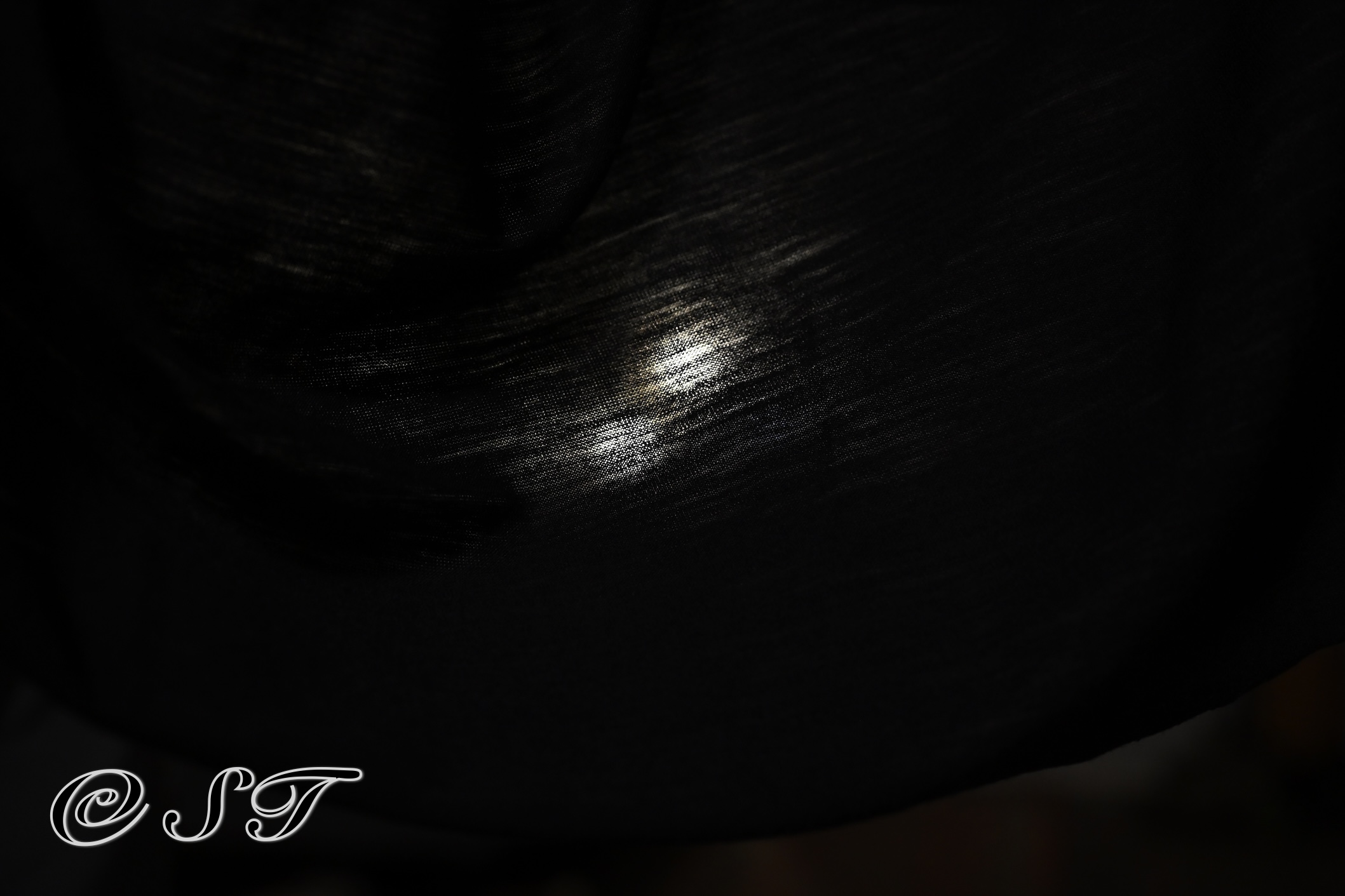
150 GSM, the light source behind it is easily visible.
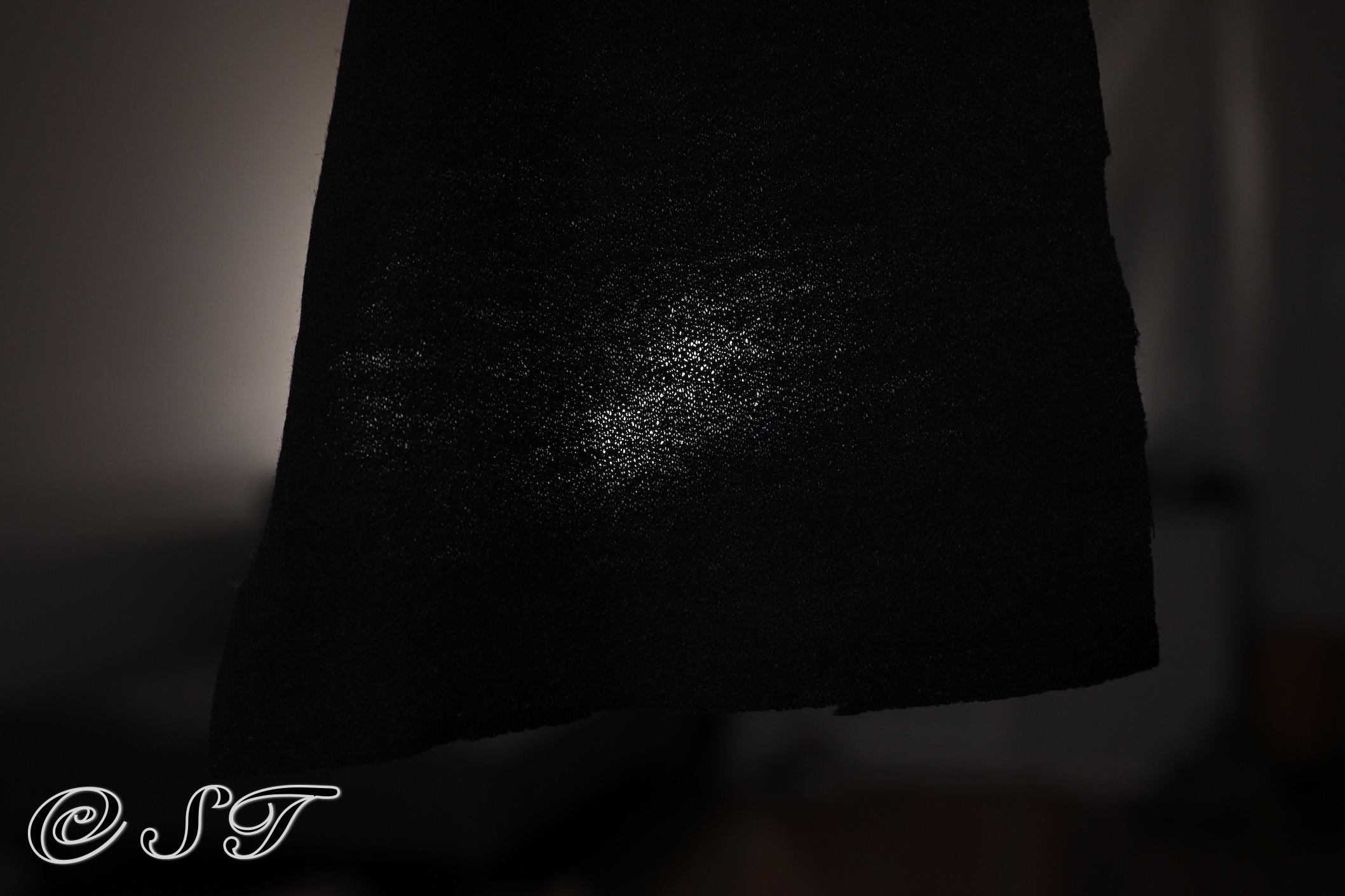
200 GSM, the light source behind it is barely visible
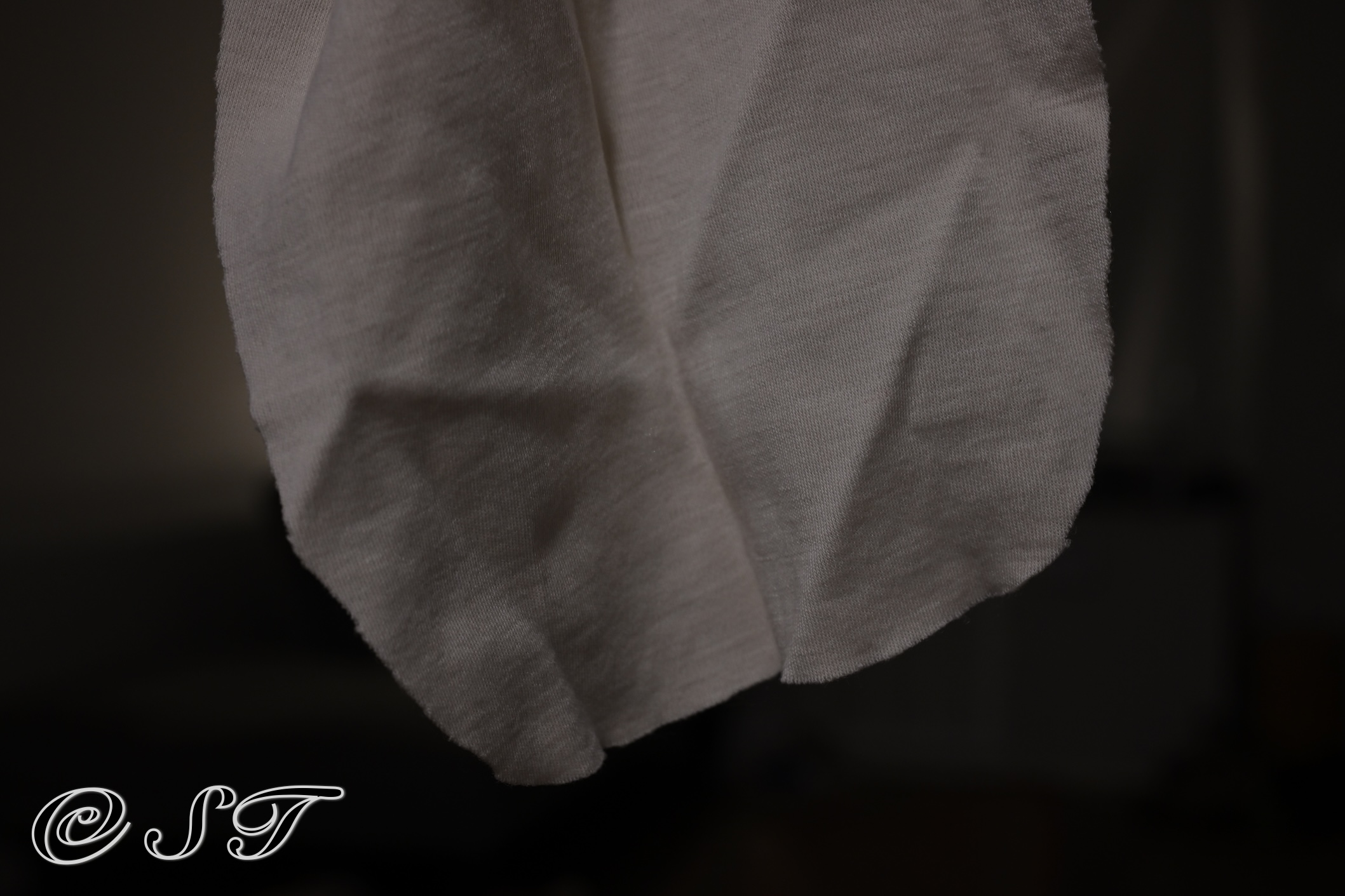
230 GSM, Sorry I didn't have a black color heavy wool, but you get the idea, I can't see the light source behind it.
Tip 1: I think a blend of wool and nylon offers both durability and the warmth and wet resistance. And they are more cost effective.
Tip 2: Natural wool will shrink after wash. It is important to know if the fabric you are buying for your DIY projects is washed or not. If it is not washed, the best recommendation is to wash and dry before you cut and sew. This way if it shrinks after wash, you are cutting the new size, otherwise you will sew an unwashed wool and it will shrink to smaller size and there is nothing you can do after sewing.
Note: Some people feel itchy wearing wool base layers.
The $8 wool, courtesy of a Thrift Store
Down: Very light and very warm! Some disadvantages are the cost (very expensive), care (they need more attention), not effective when they get wet. Actually down doesn’t dry easily. They come in different filler powers. 950 is the high end and more expensive. Lower fill powers such as 650 are cheaper but not as warm as higher numbers. I think 850 fill is the sweet spot for many activities.
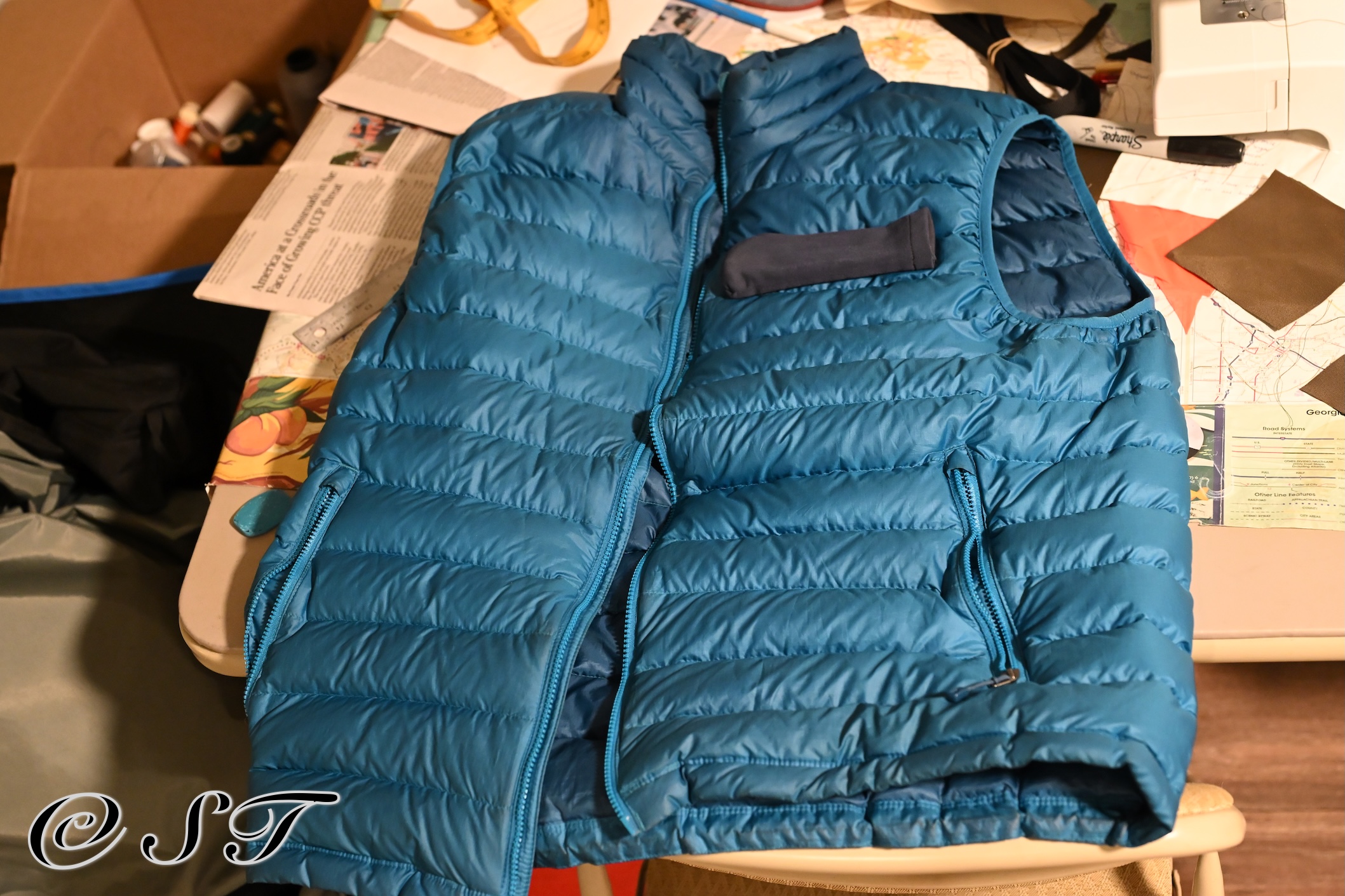
Tip: I bought a decent duck down sleeping bag with a fill power of 750. It was nice and worked for a few years and much cheaper than goose down. Then I bought packs of 950 fill power goose down and replaced the duck down. I made a warm blanket with the extracted duck down for my dog and I have a significantly improved sleeping bag for myself. Sewing baffles from the scratch is a real headache!
Considerations for dog owners: Living with my dog has changed my clothing and layering strategies. I loved and used fleece extensively, but fleece is a dog hair magnet! These are tips to reduce this effect, I didn’t find a 100% effective solution.
-
Choose a matching color. Black is the worst color and it will show up every single hair! Unfortunately it is more efficient/common warm layer color as well.
-
I switch the warm layer with a thicker base layer and wear nylon or polyester shirt on top of it. So basically a thicker wool is my base layer and warm layer for moderate temperatures.
-
For very cold weather I wear my synthetic insulated puffy. The main problem is that, it is fragile and you don’t want your dog damages the fragile nylon. So, I always wear a light wind or rain jacket over the puffy jacket.
-
Brush regularly! I mean your clothes not your dog! Well, to be honest it helps a little with my big shedding dog but it never completely removes it. So brushing my clothes is easier than brushing her.
Get out and enjoy the weather! Wear whatever you have. There have been many occasions I didn’t have enough warm clothes or sufficient material, I just wrap myself in my sleeping quilt and get out and enjoy the sunrise!